
Texas A&M University
  • Aggie Research Volunteers
  • Federal Administration Transition
Quicklinks & Search
Key Documents
Memos from the VPR
iRIS Help Documentation
Huron IRB Knowledge Center
My IRB Contact
News and Events
News
Federal Administration Transition
Events Calendar
Popular Searches
  • Centers and Institutes
  • Core Facilities
  • Research Rankings
Texas A&M Logo
Texas A&M UniversityDivision of Research
  • Aggie Research Volunteers
  • Federal Administration Transition
About

The division is committed to a truly comprehensive university where students, researchers, and inventors bring scholarship and innovation to bear for the benefit of the community, the state, and the nation.

About the VPR STAFF DIRECTORY

About the Division

Mission Statement

Advancing and strengthening all aspects of the research enterprise.

Senior Administrative Leadership Team

Associate vice presidents, executive directors and directors

Faculty Research Organizations

Council of Principal Investigators and University Research Council

About the Research Enterprise

The Strategic Plan

Download the entire plan or the abbreviated version.

Themes and Sub-themes

Download a packet of fact sheets for details about each.

Highlights (2023)

Gathers and frames data into six foundational categories.

Quicklinks
  • Fact Sheets
  • Research Rankings
  • Feedback
Funding

Seek external funding from governments, non-profits or corporations. Apply for internal grants for interdisciplinary or multidisciplinary projects.

Funding Newsletters

Internal

Advancing Discovery to Market

Nurtures commercial potential of recent discoveries.

Arts & Humanities Fellows Program

Provides multi-year support for scholarship or creative works

Frontiers in Research Summits

Ignites intellectual dialogue through expert-led research forums.

Panther RISE Grant Program

Fosters collaboration with Prairie View A&M University.

 
Research Development Fund

Supports strategic investments across the research enterprise.

Research Leadership Fellowship

Develops junior faculty into the next research leaders.

Targeted Proposal Teams

Encourages collaboration across disciplines.

External

Search for Funding

Navigate databases to identify opportunities.

Federal Funding

Explore online access to departments and agencies.

Limited Submissions

Understand how the division identifies and manages these opportunities.

Private Foundations

Consider options for non-profit support.

Proposal Support

Generate applications that compete more effectively for research dollars.

Proposal Development

Research Development Services

Central office providing proposal support, resources, and professional development.

Multidisciplinary Proposal Development

For multidisciplinary funding opportunities.

Early Career Faculty

For researchers launching their portfolios.

Special Strategic Projects

For proposals that align with division priorities.

Proposal Submission

Sponsored Research Services – Getting Started

Master the steps for submitting a successful proposal.

Submission Guidelines

Follow the approve process for pursuing external funding.

Budget Development

Work with a proposal administrator.

Quicklinks
  • Proposal Forms
  • Tutorials
  • Find Your SRS Contact
  • Time and Effort
  • Institutional Letter of Support
  • Cost Rates
  • Limited Submission
  • Research Titles and Staffing
  • iThenticate
  • Hanover Research: Proposal Review
  • Bouvier Grant Group: NIH Proposal Training Courses
Awards & Projects

Get help with starting, managing or closing a project.

Starting a Project

SRS PI Guidebook

Delve into services offered throughout the project cycle.

Contract Negotiations

Protect your interests and Texas A&M’s.

Facilities and Administration

Learn your cost rates.

Project Set-Up

Ensure a project meets all requirements.

Managing a Project

Project Administration

Exercise best practices from establishment to closeout.

Maestro

Streamline project administration.

Informational Sessions

“Answers for You” videos address vital topics and issues.

Project Closeout

Meet the requirements for final technical reports.

Quicklinks
  • Research Compliance
  • Find Your SRS Contact
  • Commercialization
  • Administrative Forms
  • Agreement Forms
  • Developing a Budget
Research Compliance

Understand the laws, rules and regulations for conducting research that is safe, legal and ethical.

Report an Incident / Concern Research Misconduct

Research Compliance and Biosafety

Animal Welfare Program

Gain approval for animal research or teaching at Texas A&M.

Biosafety Program

Obtain consent before initiating research involving biohazards.

Human Research Protection Program

Protect the rights and welfare of participants.

Biosafety Occupational Health Program

Reduce the risk of exposing personnel.

Research Security and Export Controls

International Activity

Manage the transboundary aspects of your research.

Export Controls

Comply with all U.S. laws and regulations.

Conflict of Interest and Commitment

Disclose all activities outside of Texas A&M.

Time and Effort

Certify for sponsored projects using TimeTraq or certification system.

Quicklinks
  • My IRB Contact
  • Send an email to IRB
  • iRIS Portal
  • Aggie Research Volunteers
  • COI Disclosure / Preapproval Request
  • IRB Submission System
  • Enroll in Biosafety Occupational Health Program
  • Responsible Conduct of Research
  • Visiting Scholars
  • International Activities Involving Countries of Concern
Research Support

Offers cutting-edge resources, services and facilities to investigators and their teams.

Core Facilities

Provide state-of-the-art instrumentation, technologies and specialized scientific services.

Centers and Institutes

Organize collaborations to take on major challenges.

Comparative Medicine Program

Offers high quality animal care at affordable cost.

Postdoctoral Affairs

Serves postdocs and the faculty who train them.

Research Data Management

Organizes, stores, preserves and shares findings and results.

Resources on Generative AI in Research

Guidance from federal agencies on generative AI in research.

Division Centers, Institutes, and Facilities
  • High Performance Research Computing
  • Microscopy and Imaging Center
  • Materials Characterization Facility
Units

Through its units, the Division of Research delivers strategic support to further Texas A&M’s research mission.

Staff Directory
Research Compliance and Biosafety

Provides guidance in biosafety, animal welfare and human research protection.

Research Development Services

Offers no-cost consultation and training for developing proposals.

Research Security and Export Controls

Helps to safeguard integrity of research and scholarship.

Sponsored Research Services

Works with researchers in the administration of funded projects.

Strategic Initiatives

Coordinates cross-cutting initiatives to advance the research enterprise.

Postdoctoral Affairs

Advances postdoctoral research and career development through support and collaboration.

Quicklinks
  • Comparative Medicine Program
  • Special Strategic Projects
  • Research Misconduct
  • Research Enterprise Business Services (Intranet)
Texas A&M University
Texas A&M Logo
Texas A&M UniversityDivision of Research
  • Aggie Research Volunteers
  • Federal Administration Transition
About

The division is committed to a truly comprehensive university where students, researchers, and inventors bring scholarship and innovation to bear for the benefit of the community, the state, and the nation.

About the VPR STAFF DIRECTORY

About the Division

Mission Statement

Advancing and strengthening all aspects of the research enterprise.

Senior Administrative Leadership Team

Associate vice presidents, executive directors and directors

Faculty Research Organizations

Council of Principal Investigators and University Research Council

About the Research Enterprise

The Strategic Plan

Download the entire plan or the abbreviated version.

Themes and Sub-themes

Download a packet of fact sheets for details about each.

Highlights (2023)

Gathers and frames data into six foundational categories.

Quicklinks
    Fact Sheets
    Research Rankings
    Feedback
Funding

Seek external funding from governments, non-profits or corporations. Apply for internal grants for interdisciplinary or multidisciplinary projects.

Funding Newsletters

Internal

Advancing Discovery to Market

Nurtures commercial potential of recent discoveries.

Arts & Humanities Fellows Program

Provides multi-year support for scholarship or creative works

Frontiers in Research Summits

Ignites intellectual dialogue through expert-led research forums.

Panther RISE Grant Program

Fosters collaboration with Prairie View A&M University.

Research Development Fund

Supports strategic investments across the research enterprise.

Research Leadership Fellowship

Develops junior faculty into the next research leaders.

Targeted Proposal Teams

Encourages collaboration across disciplines.

External

Search for Funding

Navigate databases to identify opportunities.

Federal Funding

Explore online access to departments and agencies.

Limited Submissions

Understand how the division identifies and manages these opportunities.

Private Foundations

Consider options for non-profit support.

Proposal Support

Generate applications that compete more effectively for research dollars.

Proposal Development

Research Development Services

Central office providing proposal support, resources, and professional development.

Multidisciplinary Proposal Development

For multidisciplinary funding opportunities.

Early Career Faculty

For researchers launching their portfolios.

Special Strategic Projects

For proposals that align with division priorities.

Proposal Submission

Sponsored Research Services – Getting Started

Master the steps for submitting a successful proposal.

Submission Guidelines

Follow the approve process for pursuing external funding.

Budget Development

Work with a proposal administrator.

Quicklinks
    Proposal Forms
    Tutorials
    Find Your SRS Contact
    Time and Effort
    Institutional Letter of Support
    Cost Rates
    Limited Submission
    Research Titles and Staffing
    iThenticate
    Hanover Research: Proposal Review
    Bouvier Grant Group: NIH Proposal Training Courses
Awards & Projects

Get help with starting, managing or closing a project.

Starting a Project

SRS PI Guidebook

Delve into services offered throughout the project cycle.

Contract Negotiations

Protect your interests and Texas A&M’s.

Facilities and Administration

Learn your cost rates.

Project Set-Up

Ensure a project meets all requirements.

Managing a Project

Project Administration

Exercise best practices from establishment to closeout.

Maestro

Streamline project administration.

Informational Sessions

“Answers for You” videos address vital topics and issues.

Project Closeout

Meet the requirements for final technical reports.

Quicklinks
    Research Compliance
    Find Your SRS Contact
    Commercialization
    Administrative Forms
    Agreement Forms
    Developing a Budget
Research Compliance

Understand the laws, rules and regulations for conducting research that is safe, legal and ethical.

Report an Incident / Concern Research Misconduct

Research Compliance and Biosafety

Animal Welfare Program

Gain approval for animal research or teaching at Texas A&M.

Biosafety Program

Obtain consent before initiating research involving biohazards.

Human Research Protection Program

Protect the rights and welfare of participants.

Biosafety Occupational Health Program

Reduce the risk of exposing personnel.

Research Security and Export Controls

International Activity

Manage the transboundary aspects of your research.

Export Controls

Comply with all U.S. laws and regulations.

Conflict of Interest and Commitment

Disclose all activities outside of Texas A&M.

Time and Effort

Certify for sponsored projects using TimeTraq or certification system.

Quicklinks
    My IRB Contact
    Send an email to IRB
    iRIS Portal
    Aggie Research Volunteers
    COI Disclosure / Preapproval Request
    IRB Submission System
    Enroll in Biosafety Occupational Health Program
    Responsible Conduct of Research
    Visiting Scholars
    International Activities Involving Countries of Concern
Research Support

Offers cutting-edge resources, services and facilities to investigators and their teams.

Core Facilities

Provide state-of-the-art instrumentation, technologies and specialized scientific services.

Centers and Institutes

Organize collaborations to take on major challenges.

Comparative Medicine Program

Offers high quality animal care at affordable cost.

Postdoctoral Affairs

Serves postdocs and the faculty who train them.

Research Data Management

Organizes, stores, preserves and shares findings and results.

Resources on Generative AI in Research

Guidance from federal agencies on generative AI in research.

Division Centers, Institutes, and Facilities
    High Performance Research Computing
    Microscopy and Imaging Center
    Materials Characterization Facility
Units

Through its units, the Division of Research delivers strategic support to further Texas A&M’s research mission.

Staff Directory
Research Compliance and Biosafety

Provides guidance in biosafety, animal welfare and human research protection.

Research Development Services

Offers no-cost consultation and training for developing proposals.

Research Security and Export Controls

Helps to safeguard integrity of research and scholarship.

Sponsored Research Services

Works with researchers in the administration of funded projects.

Strategic Initiatives

Coordinates cross-cutting initiatives to advance the research enterprise.

Postdoctoral Affairs

Advances postdoctoral research and career development through support and collaboration.

Quicklinks
    Comparative Medicine Program
    Special Strategic Projects
    Research Misconduct
    Research Enterprise Business Services (Intranet)
Search
Key Documents
    Memos from the VPR
    iRIS Help Documentation
    Huron IRB Knowledge Center
    My IRB Contact
News and Events
    News
    Federal Administration Transition
    Events Calendar

Speaker Bios

  1. Home
  2. Texas Quantum Summit
  3. Speaker Bios
Back to Texas Quantum Summit
  • Agenda
  • Speaker Bios
  • Online Posters
  • Session Archive
  • Brand Identity
Back to Texas Quantum Summit
  • Agenda
  • Speaker Bios
  • Online Posters
  • Session Archive
  • Brand Identity

Dr. Mikhail Lukin

Joshua and Beth Friedman University Professor of Physics, Harvard University

Dr. Mikhail Lukin is the Joshua and Beth Friedman University Professor of Physics at Harvard University, where he also serves as Co-Director of the Harvard Quantum Initiative. Dr. Lukin received his Ph.D. in physics from Texas A&M University.

Dr. Lukin’s research focuses on quantum optics and quantum information science, with an emphasis on controlling strongly interacting atomic, optical, and solid-state systems. His work explores the quantum dynamics of many-body systems and develops novel applications in quantum computing, quantum simulation, quantum communication, and metrology. Dr. Lukin has pioneered advances in neutral atom quantum computing, quantum networking, and quantum sensing with both atomic and atom-like solid-state systems.

Dr. Lukin has authored more than 540 scientific publications and is a member or fellow of the National Academy of Sciences, the American Association for the Advancement of Science, the American Physical Society, and Optica. His honors include the Physics World Breakthrough of the Year (2024), Falling Walls Breakthrough of the Year in Physical Sciences (2023), the International Quantum Award (2022), the Norman F. Ramsey Prize of the American Physical Society (2022), the Charles Hard Townes Award of Optica (2021), the George Gamow Award (2020), and the Vannevar Bush Faculty Fellowship (2015). Earlier in his career, Dr. Lukin was recognized with the Alfred P. Sloan Fellowship, the Packard Fellowship for Science and Engineering, and the NSF CAREER Award.

Today, Dr. Lukin continues to advance quantum information science through both research and leadership, helping shape the future of computing, communication, and measurement at the frontiers of physics.

Dr. Mikhail Lukin

Dr. Jun Ye

JILA Fellow and Monroe Chair of Physics, University of Colorado and NIS

Dr. Jun Ye is a JILA Fellow and holds the Monroe Chair of Physics at the University of Colorado and the National Institute of Standards and Technology (NIST). He also serves as Director of Q-SEnSE, a National Science Foundation Quantum Leap Challenge Institute. Dr. Ye received his Ph.D. in physics from the University of Colorado, Boulder.

Dr. Ye’s research explores the frontiers of light–matter interactions, including precision measurement, quantum science, ultracold matter, and frequency metrology. He is internationally recognized for building the most precise atomic clock to date, advancing the fundamental limits of timekeeping and enabling new applications in science and technology.

Dr. Ye has authored more than 430 publications and is a member or fellow of the National Academy of Sciences, the American Physical Society, and Optica. His awards include the Berthold Leibinger Zukunftspreis (2025), the Lise Meitner Distinguished Lecture and Medal (2024), the Breakthrough Prize in Fundamental Physics (2022), the Vannevar Bush Fellowship (2022), and five Gold Medals from the U.S. Department of Commerce for achievements in optical atomic clocks, cold molecules, and frequency comb technology.

He has also been recognized with the Micius Quantum Prize, the APS Norman F. Ramsey Prize, the I.I. Rabi Award, the U.S. Presidential Rank Award (Distinguished), election as a Foreign Member of the Chinese Academy of Sciences, and a Frew Fellowship from the Australian Academy of Science. Additional honors include the European Frequency and Time Forum Award, the Carl Zeiss Award, the William F. Meggers Award, the Adolph Lomb Medal, the Arthur S. Flemming Award, the Presidential Early Career Award, the Friedrich Wilhelm Bessel Award, the Samuel Wesley Stratton Award, and the Jacob Rabinow Award.

Today, Dr. Ye continues to advance quantum science and precision measurement, shaping the future of fundamental physics and its applications worldwide.
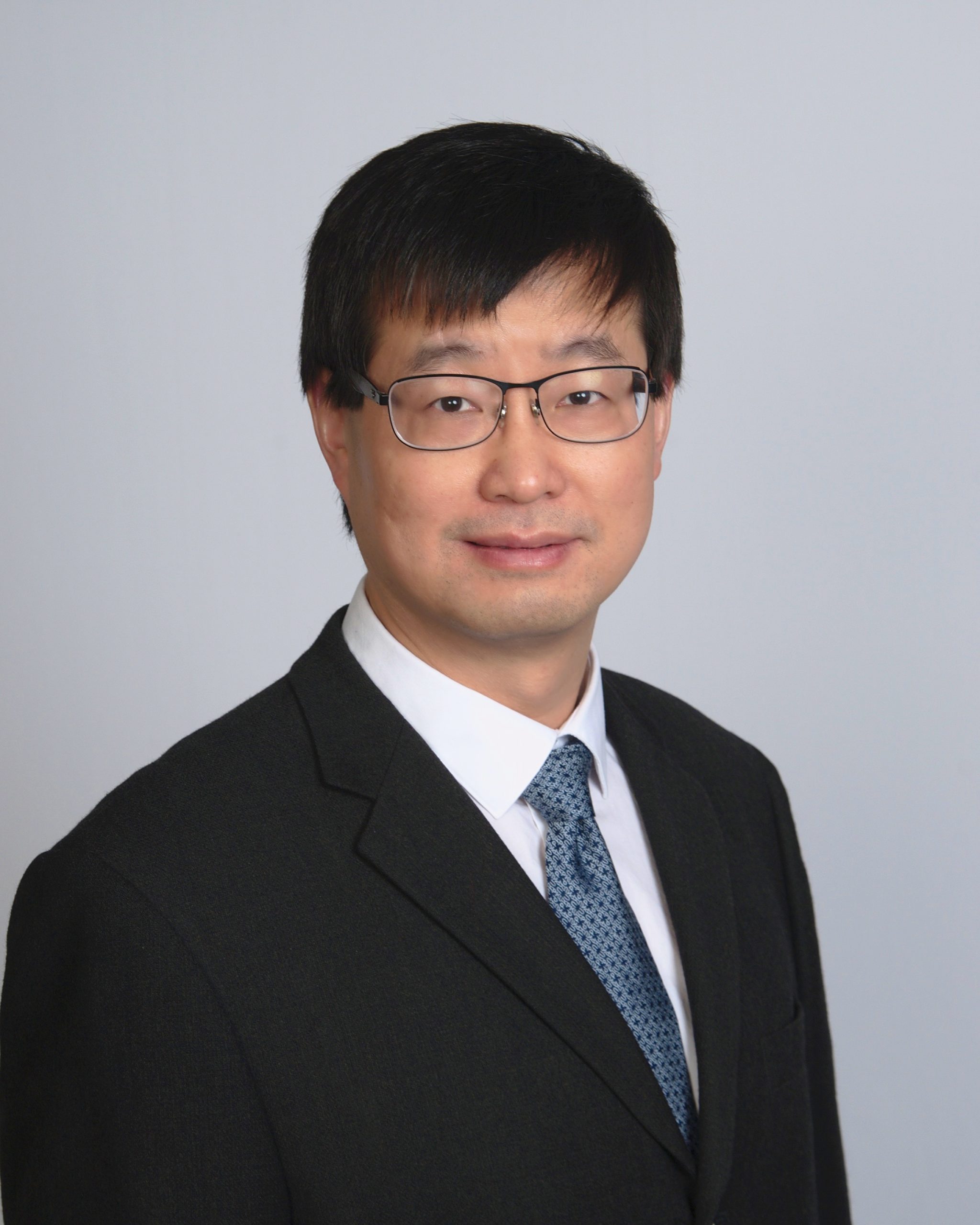
Dr. Jun Ye

Dr. Matt Reagor

Senior Product Manager, Google Quantum AI

Dr. Matt Reagor is a Senior Product Manager at Google Quantum AI. He received his Ph.D. in physics from Yale University.

Dr. Reagor’s research focuses on quantum computing with superconducting qubits. He is best known for introducing the first millisecond quantum memory for superconducting qubits. Over the past decade, Dr. Reagor has led teams in the quantum computing industry, advancing both scientific discovery and technology development.

Previously, Dr. Reagor served as a Principal Investigator for quantum science programs supported by DARPA, the U.S. Department of Energy, and the U.S. Air Force. He was also a co-founding Principal Investigator and Chief Technology Officer of the Superconducting Quantum Materials and Systems (SQMS) Center, the U.S. DOE Office of Science National Quantum Information Science Research Center.

Dr. Reagor has authored 153 scientific publications and has been recognized as an IEEE Graduate Fellow. His career reflects a strong record of leadership in superconducting quantum systems and contributions that continue to shape the trajectory of quantum computing.

Dr. Matt Reagor

Dr. Christopher Monroe

Gilhuly Family Presidential Distinguished Professor of Electrical and Computer Engineering and Physics, Duke University

Dr. Christopher Monroe is the Gilhuly Family Presidential Distinguished Professor of Electrical and Computer Engineering and Physics at Duke University, where he also serves as Director of the Duke Quantum Center. He previously held appointments as a Distinguished Professor and Bice Zorn Chair at the University of Maryland.

Dr. Monroe received his Ph.D. in physics from the University of Colorado, Boulder. His research focuses on quantum computing, quantum simulation, and atomic, molecular, and optical physics. He is recognized for inventing and developing most of the foundational components for ion trap quantum computers. Dr. Monroe co-founded IonQ, Inc., the first publicly traded quantum computing company, with over 700 employees and a market capitalization of $8 billion.

Dr. Monroe has authored more than 250 publications (h-index 112) and holds over 30 patents. He has pioneered nearly all aspects of atom-based quantum computers and simulators, from demonstrations of the first quantum gate, to monolithic semiconductor-chip ion traps, to photonic interconnects between physically separated qubits, to the design, fabrication, and use of full-stack ion trap quantum computer systems in both university and industrial settings.

He is an elected member or fellow of the American Physical Society, the American Association for the Advancement of Science, Optica, the UK Institute of Physics, the U.S. National Academy of Sciences, and the National Academy of Inventors. His honors include the Presidential Early Career Award for Scientists and Engineers, the International Quantum Communication Award, the I.I. Rabi Prize, the Arthur Schawlow Prize, and the Willis Lamb Prize.

Dr. Monroe has also worked with and testified before the U.S. Congress as a key architect of the U.S. National Quantum Initiative.

Dr. Chris Monroe

Mr. Philip Farah

Vice President, Strategic Partnerships & Sales, IonQ

Mr. Philip Farah is Vice President of Sales and Strategic Partnerships at IonQ, where he is responsible for the State, Local, and Education (SLED) sector, enterprise clients, and cloud service providers across the United States, as well as international markets in South Korea and the Gulf Cooperation Council region.

Before joining IonQ, Mr. Farah held leadership roles at World Wide Technology as Head of Global Services and Engineering Sales, at Gartner as Senior Managing Partner for Financial Services, at Cisco Systems as Head of the Global Financial Services Innovation Strategy practice, and at Capital One Financial as Head of Recoveries Analytics.

Mr. Farah began his career in the United States as a consultant with McKinsey & Company, where he advised senior executives on strategic technology investments aligned with business growth objectives.
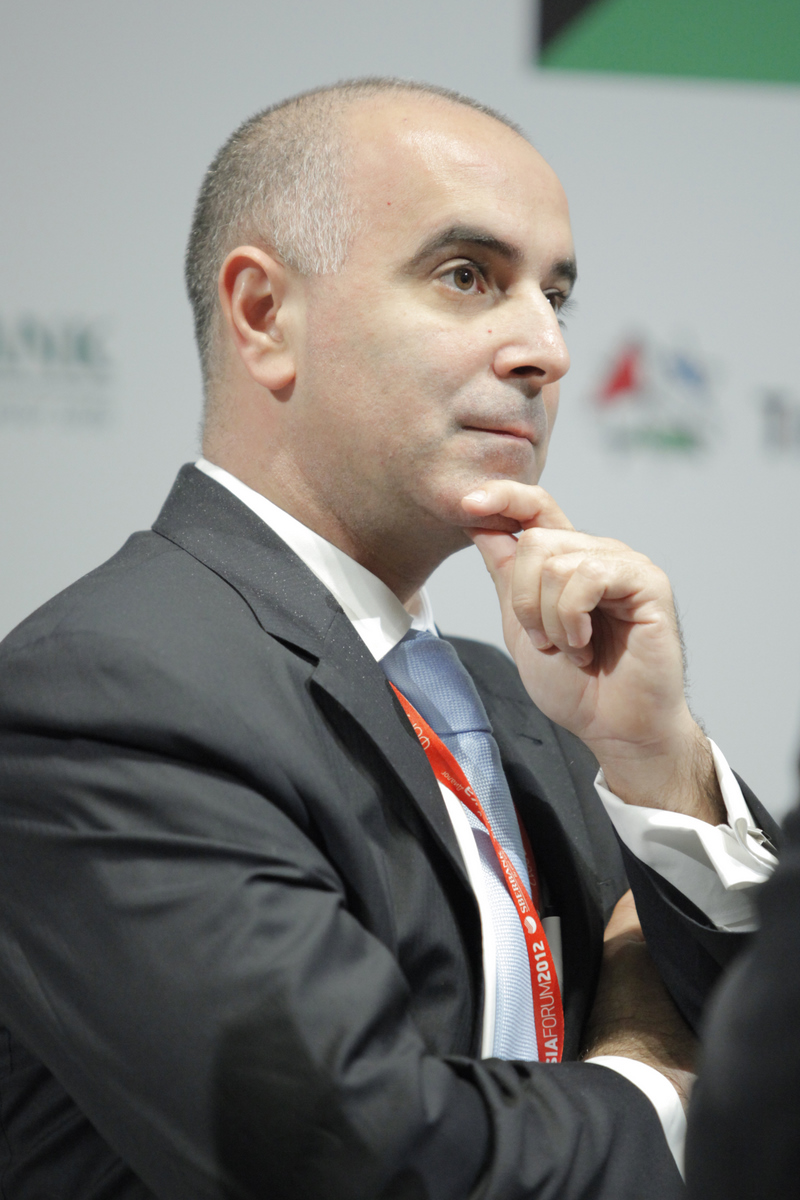
Mr. Philip Farah

Dr. Jake Taylor

Fellow, Joint Quantum Institute, University of Maryland, College Park

Dr. Jake Taylor is a Fellow of the Joint Quantum Institute at the University of Maryland, College Park, and co-CEO and co-CSO of Axiomatic AI, Inc., a startup developing verifiable and trustworthy AI systems to accelerate science and engineering. He received his Ph.D. in physics from Harvard University.

From 2009 to 2025, Dr. Taylor served the Nation as a physicist and NIST Fellow at the National Institute of Standards and Technology. He co-founded the Joint Center for Quantum Information and Computer Science (QuICS) between NIST and the University of Maryland, as well as the U.S. Center for AI Standards and Innovation, which he led as a 300-member consortium. From 2017 to 2020, Dr. Taylor led the U.S. effort in creating and implementing the National Quantum Initiative as the first Assistant Director for Quantum Information Science at the White House Office of Science and Technology Policy, and was selected as the founding Director of the National Quantum Coordination Office.

Dr. Taylor has also served as Chief Science Officer at Riverlane, helping lead the company’s pivot to building silicon chips and software systems for quantum error correction at scale. He was a Fellow at the Belfer Center at the Harvard Kennedy School under Secretary Ash Carter and now continues his leadership at Axiomatic AI.

A Fellow of the American Physical Society and Optica, Dr. Taylor has authored more than 200 publications. His honors include the Department of Commerce Silver Medal (2014), Gold Medal (2020), and Bronze Medal (2024); the IUPAP C15 Young Scientist Award (2014); the Samuel J. Heyman Service to America Medal: Call to Service (2012); the Presidential Early Career Award for Science and Engineering (2010); and the AAAS Newcomb Cleveland Prize (2006).

Dr. Jake Taylor

Dr. Junichiro Kono

Karl F. Hasselmann Chair in Engineering and Professor of Electrical and Computer Engineering, Rice University

Dr. Junichiro Kono is the Karl F. Hasselmann Chair in Engineering and Professor of Electrical and Computer Engineering in the George R. Brown School of Engineering and Computing at Rice University. He also serves as Director of the Smalley–Curl Institute and is associated with the Rice Quantum Initiative, the Rice Center for Quantum Materials, and the Rice Center for Cavity Quantum Electrodynamics. Dr. Kono received his Ph.D. in physics from the State University of New York at Buffalo.

Dr. Kono’s research focuses on quantum optics in condensed matter. He is known for demonstrations of ultrastrong light–matter interactions in condensed matter in cavities, which have advanced new directions in quantum science and materials research.

Dr. Kono has authored 328 publications and is a Fellow of the American Physical Society (2009), Optica (2015), SPIE (2019), the Institute of Physics (2021), and the Japan Society of Applied Physics (2023). He has also been honored with the Institute of International Education’s Heiskell Award for Innovation.

Through his leadership at Rice University, Dr. Kono continues to advance research in quantum optics and condensed matter, connecting fundamental discoveries to emerging applications in quantum science and technology.

Dr. Junichiro Kono
Texas A&M Logo
Texas A&M UniversityDivision of Research
Send Mail to

301 Old Main Drive, Suite 3104

1112 TAMU

College Station, TX, 77843

Contact Us

Phone: (979) 845-8585
Fax: (979) 845-1855
Staff Directory

Quicklinks
  • Centers and Institutes
  • Core Facilities
  • My IRB Contact
  • Send an email to IRB
  • Research Misconduct
  • Feedback
  • © 2024 Texas A&M University
  • Site Policies
  • Accessibility